Portable Radio 104 (HT)
Description:
1. Presentation:
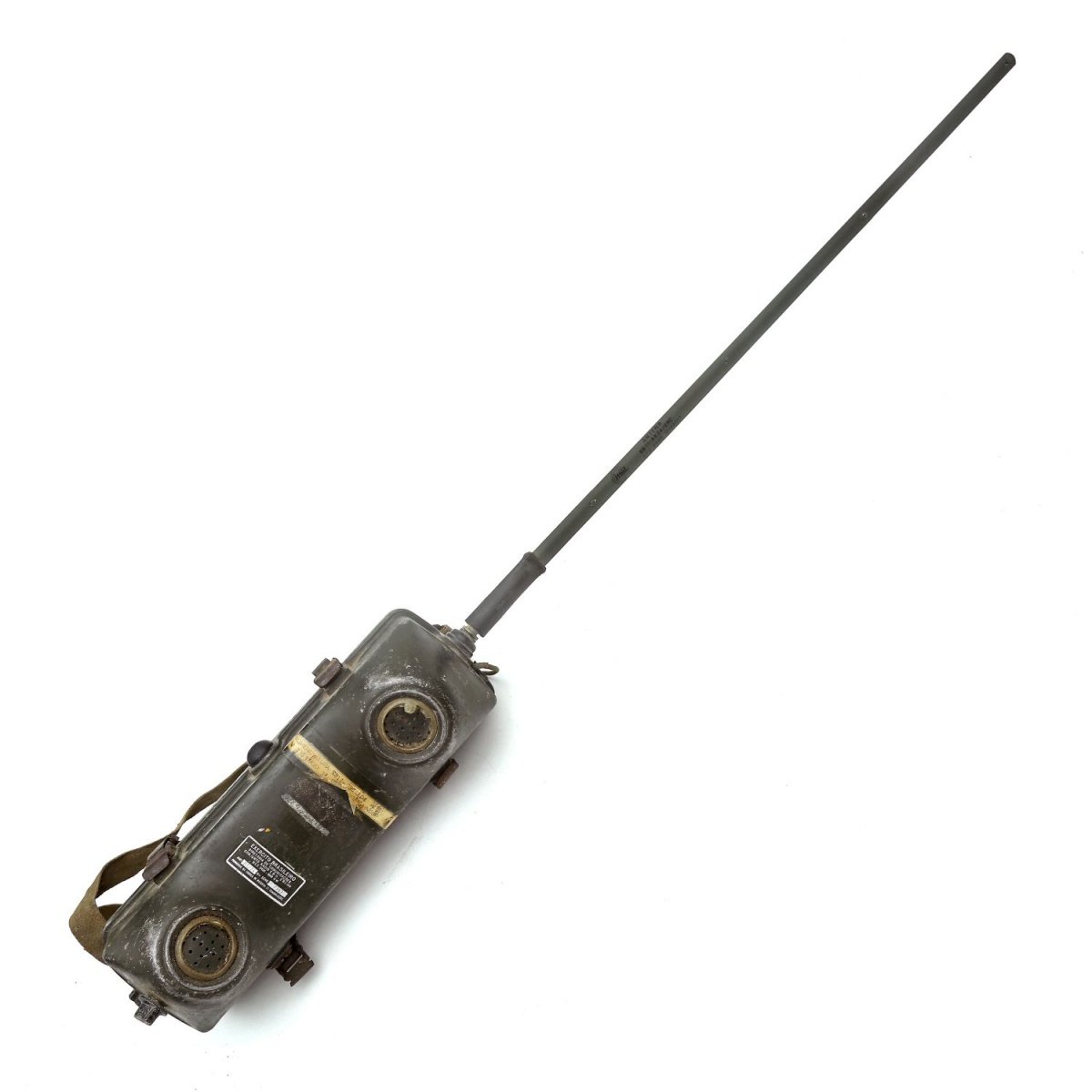
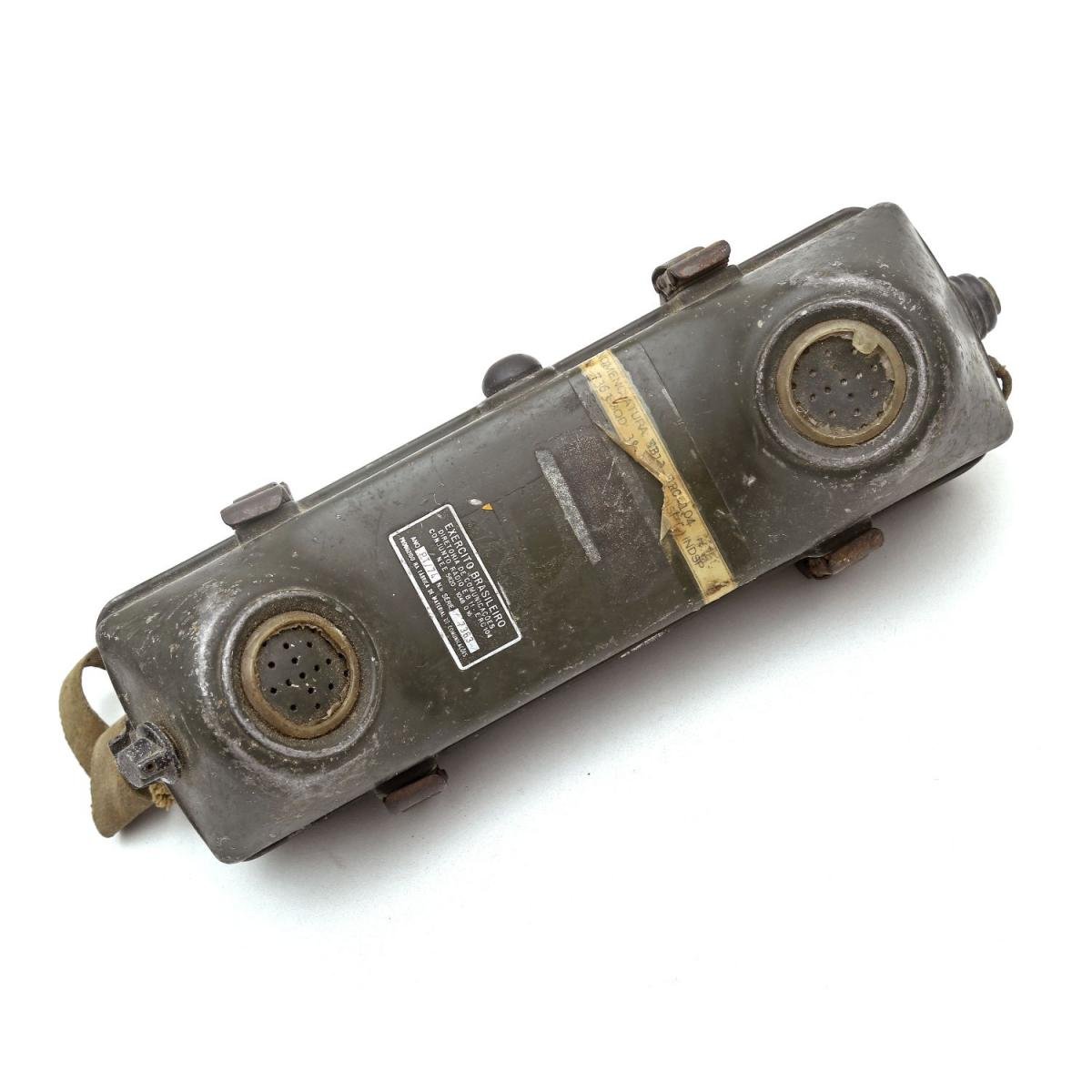
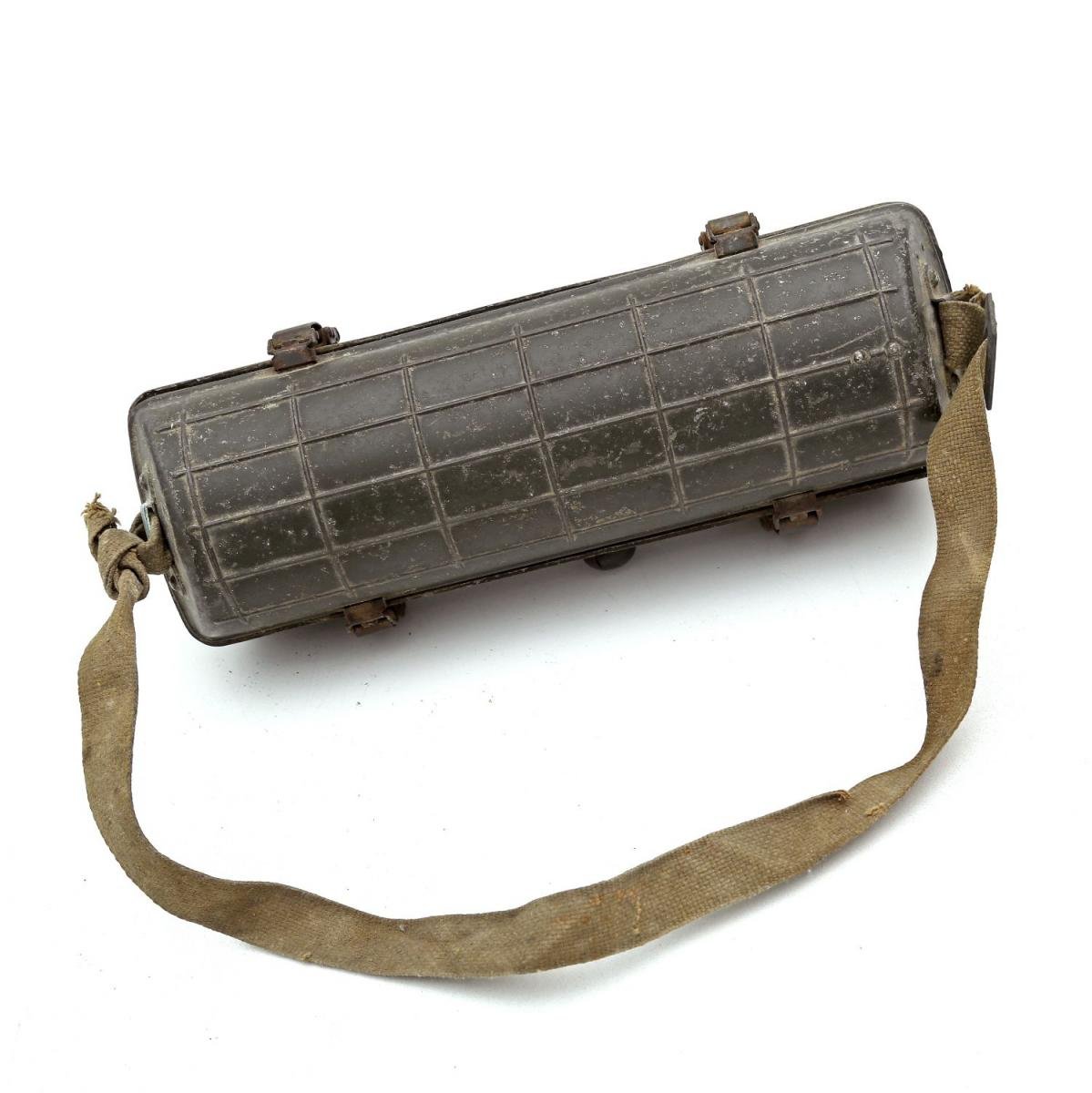
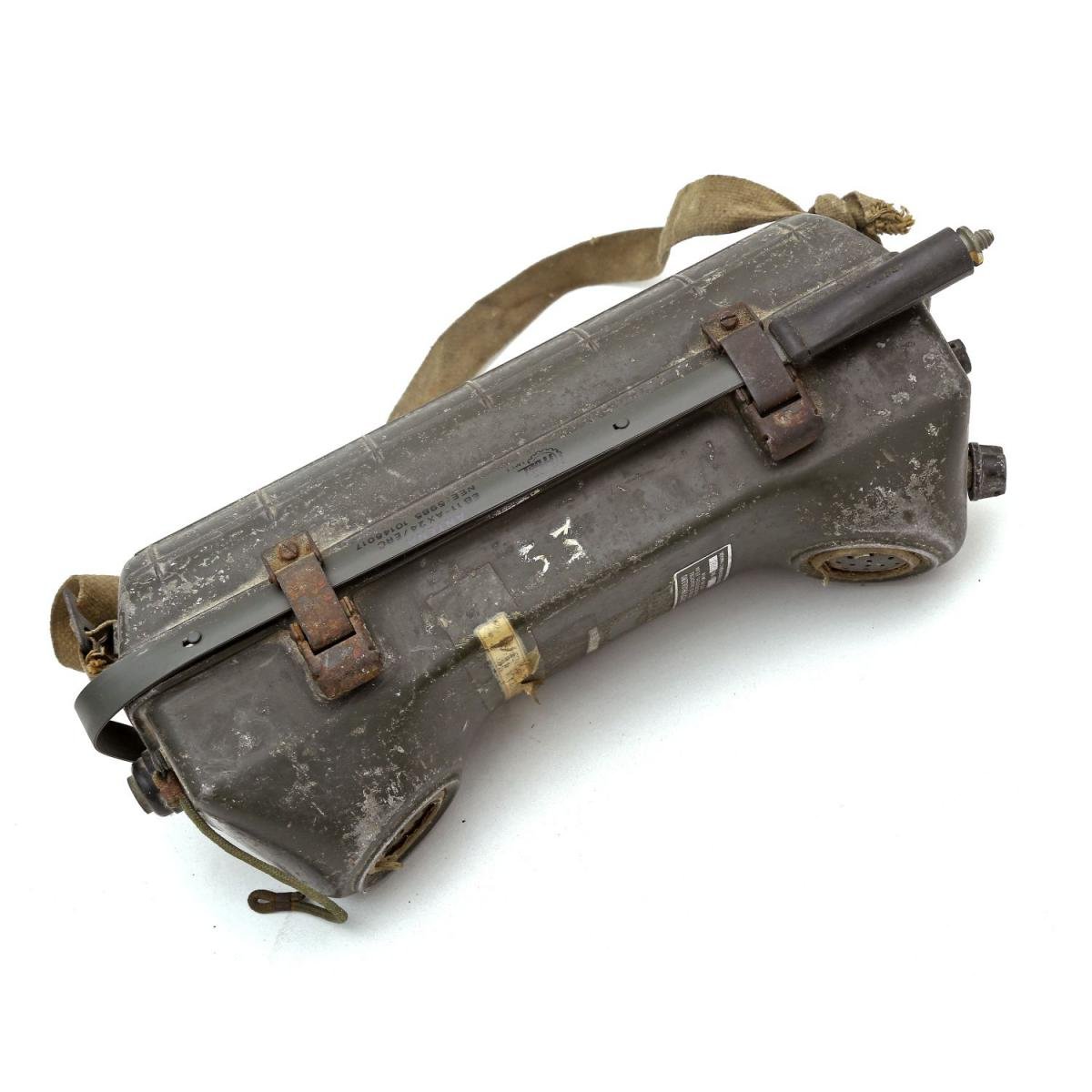
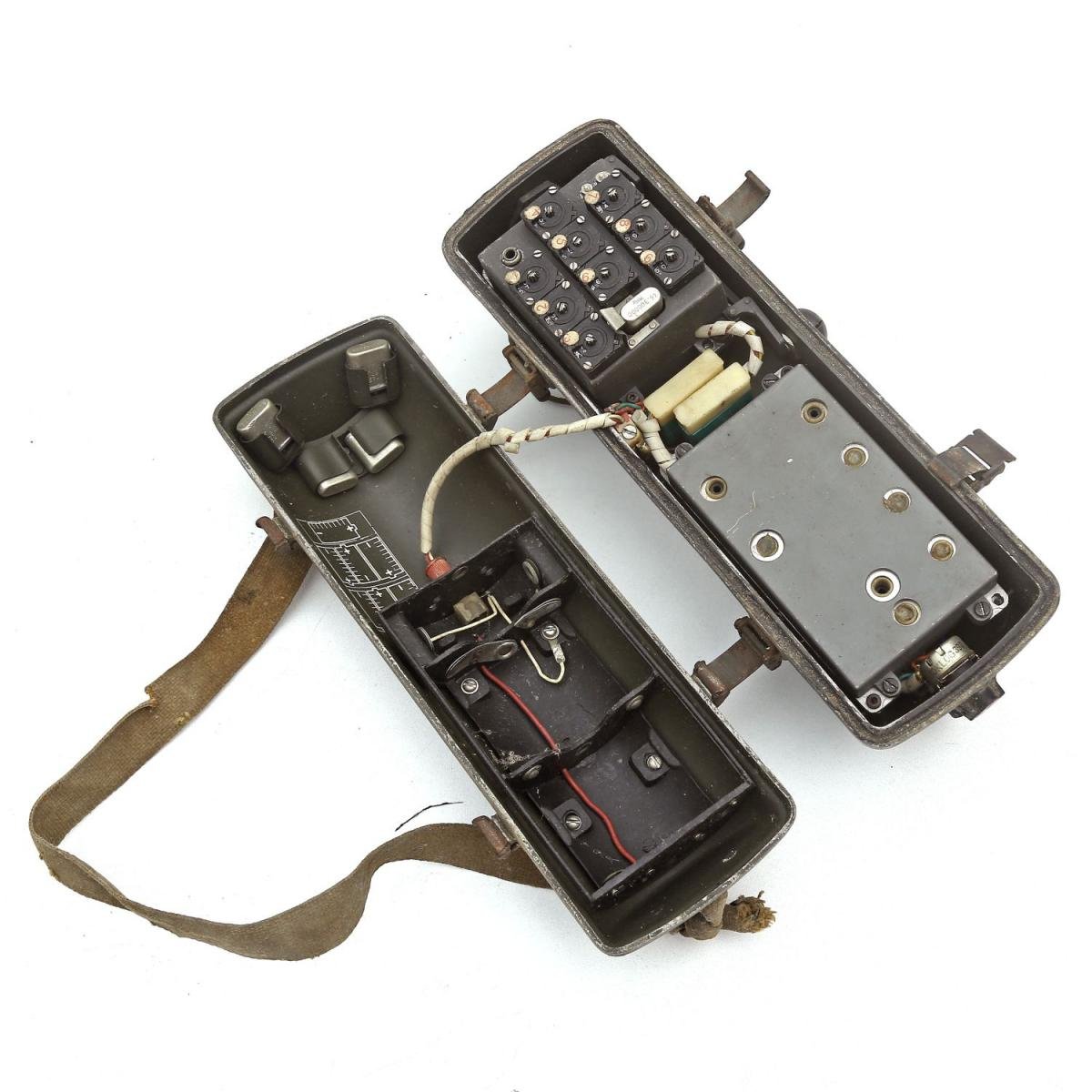
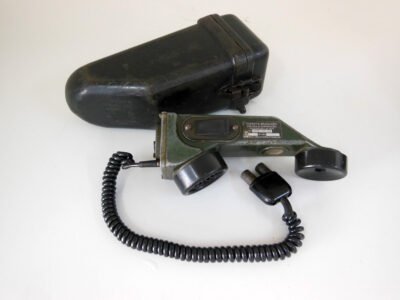
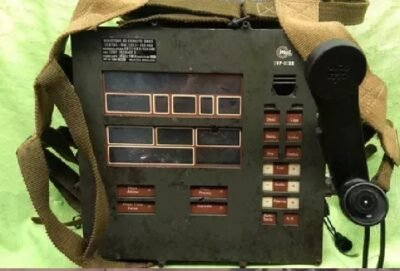
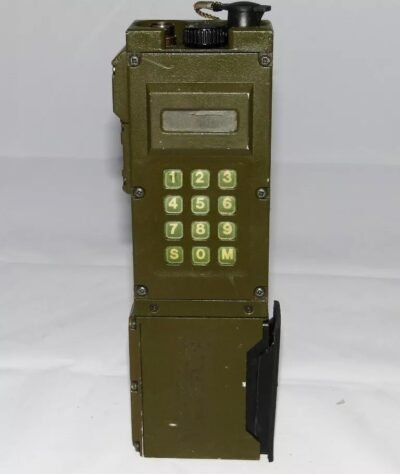
The. The RC-104 RADIO SET is portable, short-range equipment that operates on modulated frequency, FM and allows two-way voice communication.
B. It operates in the low VHF frequency range, between 48.00 and 54.80 Mhz, with 35 channels, crystal selected, spaced 20 Khz apart.
w. Produced by the Army Communications Material Factory, the ERC-104 was designed in Brazil to replace the American model in use, the PRC-6 (Banana).
2. Technical Characteristics:
2-1. Electrical characteristics:
The. General:
1) Working frequency range: 48.00MHz to 54.80MHz;
2) Number of channels: 35, selectable by crystal;
3) Channel spacing: 20kHz;
4) Power supply: 07 (seven) 1.25V NiCd rechargeable batteries.
B. Streaming:
1) Output power: 1W ± 1db at 50 ohms;
w. Front desk:
1) Sensitivity: 0.5 uV for the ratio (S+N) /N= 20dB;
2) Audio level: Internal speaker, greater than or equal to 400mW.
2-2. Mechanical characteristics:
The. Dimensions:
1) Width: 110mm;
2) Height: 290mm;
3) Depth: 130mm.
B. Weight:
1) EB11-ERC-104 TRANSMITTER RECEIVER, with batteries: 2.9 kg;
2) EB11-ERC-104 TRANSMITTER RECEIVER, without batteries: 2.2 kg.
3. History:
In 1965, the Brazilian Army, with the aim of nationalizing radio equipment used by the troops, decided to order the Army Manufacturing Directorate, at the time headed by an experienced military engineer, Gen. Francisco de Paula and Azevedo Pondé, to develop at the Material Factory of Communications (FMCom, located in Caju/RJ, close to Arsenal da Guerra), subordinate to it, a prototype of campaign communications equipment, capable of replacing the American model in use, called “handie-talkie”, quite bulky , weighing 3.2 kg and still with valves, difficult to acquire. The model to be presented had to be completely solid state, have less volume and weight, have the same number of channels and have the same range as the American model.
FMCom took seriously the challenge made to it. The young engineering officers, recently arrived from IME, were very happy to make use of their knowledge. The old employees received the news with enthusiasm, seeing the possibility of the factory being reborn from the ashes of the past and showing the Army its real possibilities. Once work began in May 1965, the need to structure the factory was soon realized, as it had few resources. Equipment for radioelectric measurements and oscilloscopes were acquired, an analysis and research laboratory was built, a Faraday cage was built, temperature and salinity chambers were acquired, an immersion tank for underwater tests, equipment for testing and vibration and the electroplating workshop was restored. which had its capacity increased to a thousand amps.
In November 1965 the electrical project was ready, however much still remained to be done, as the construction of the box and the antenna presented serious problems, as pressure casting was not available, which was solved through the São Paulo industrial park, leaving the design of the box was carried out by the firm Metalúrgica Kalindus, by a Hungarian engineer, Andras von Kalman, whose work was excellent. As for the antenna, only after much research was a metal tape found that met the specifications. Only in 1967, after many field tests, the prototype was considered complete, being delivered to the Military Institute of Technology, in Praia Vermelha/RJ, for analysis and approval. Manufacturing began in 1968, receiving the name EB-11 ERC-104. Its volume was much smaller than the American counterpart, it weighed just over 2 kg and had the same range. The number of channels was limited to 38, instead of the 42 of the American station, as the national ferrite, manufactured at the time by a German in São Paulo, did not have the same performance as the American one, attenuating the band at the ends, which however it was accepted by the Army General Staff. The equipment fully met, in its time, the purpose for which it was built, having been well accepted by the troops.
Weight: 2,900 kg.
Dimensions: 110 x 290 x 130 mm (WIDE/HIGHT/PROF)






Reviews
There are no reviews yet.